
Plumbing Services Near You, Across the United States
Leaks, clogs, no hot water or a backed-up sewer line. Call PipeMend any hour and a licensed plumber who covers your area gets the repair started.
- All 50 states
- Homes, rentals and businesses
- Repairs, drains and water heaters
- 24/7 phone line
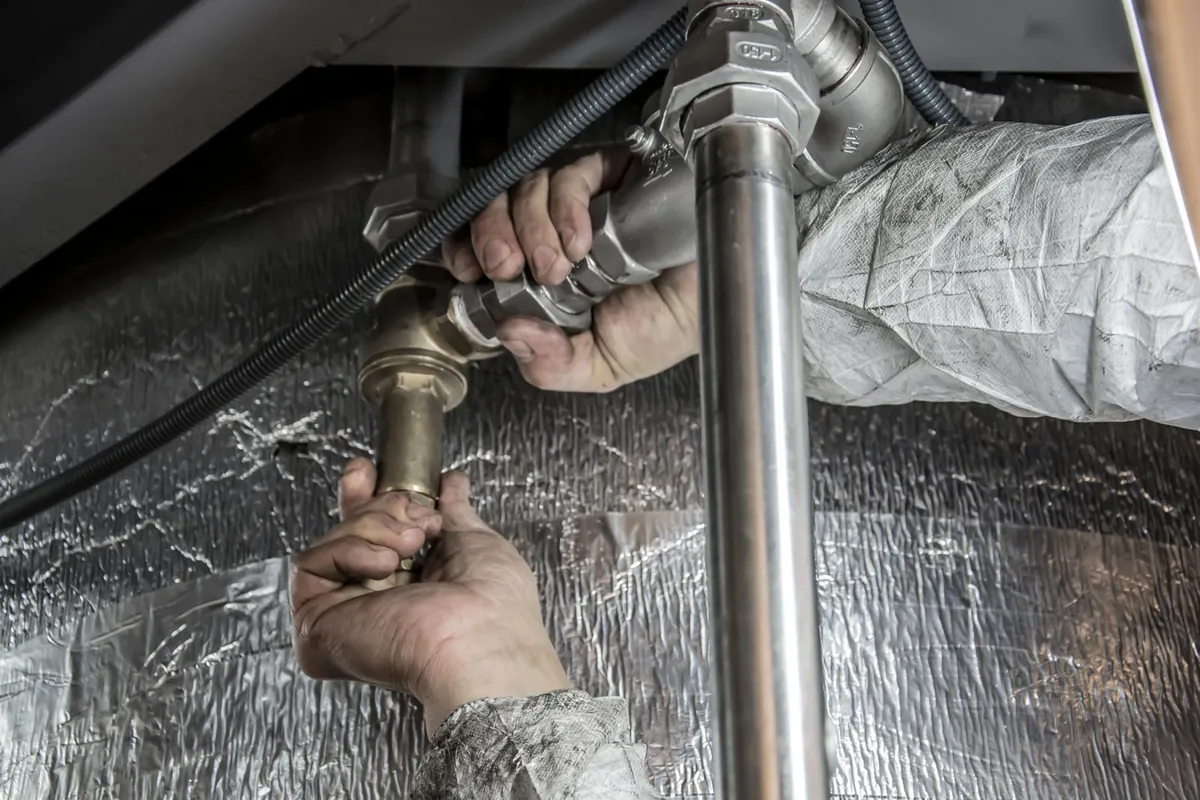
Quick answer: PipeMend provides plumbing services across the United States through licensed local plumbers. Call 1-800-555-0199 24/7 for burst pipes, leaks, clogged drains, water heater problems, sewer backups and gas line repairs. A plumber checks the problem, gives you a written estimate, and fixes it to your local plumbing code.
Plumbing services we cover
Most plumbing calls fall into a few groups: water coming out where it should not, water not going down, or water that is not hot. Here is what PipeMend handles.
Emergency plumbing
Burst pipes, overflowing toilets, no water or a sewer backup, handled day or night.
Drain cleaning
Slow and clogged sink, tub, shower and floor drains cleared with snakes and augers.
Water heater repair
No hot water, leaks, noises or a tripped burner on tank and tankless heaters.
Water heater installation
Tank, tankless and heat pump water heaters sized, permitted and installed.
Sewer line repair
Camera inspection, root removal, spot repairs and trenchless sewer line fixes.
Leak detection
Hidden leaks in walls, floors and slabs found with acoustic and thermal tools.
Hydro jetting
High-pressure water cleaning for grease, scale and roots in main drain lines.
Pipe repair and repiping
Burst, corroded or leaking pipes repaired, or whole-home repiping in PEX or copper.
Water line repair
Main water service line leaks, low pressure and line replacement to the street.
Toilet repair
Running, clogged, leaking or rocking toilets fixed or replaced.
Garbage disposal repair
Jammed, humming or leaking disposals repaired or swapped for a new unit.
Sump pump installation
Sump pumps, battery backups and check valves to keep basements dry.
Gas line repair
Gas leaks, new appliance hookups and gas line repairs, done to code.
How a call to PipeMend works
You do not need to know what is wrong. Tell us what you see, hear or smell.
- Call 1-800-555-0199. Give the address, ZIP code and what is happening. If water is leaking, we will walk you through finding the main shutoff valve.
- A local plumber is assigned. We match the job to a licensed plumber who covers your area and has the right tools, such as a drain camera or a water jetter.
- Diagnosis and a written estimate. The plumber finds the cause, explains it in plain words and puts the price in writing before work starts.
- The repair. Pipes, fixtures or equipment are fixed or replaced. Jobs that need a permit, such as most water heater swaps and gas lines, are pulled and inspected.
- Testing and cleanup. The plumber runs water, checks for leaks and pressure, cleans the work area and shows you what was done.
Why homeowners call PipeMend
- One number, every state. The same phone line works from Maine to Hawaii, 24/7.
- 10+ years in business. We have been taking plumbing calls for more than a decade.
- Licensed plumbers only. Each job goes to a plumber licensed for that work where you live.
- Price before work. You see a written estimate first, and any change in scope is explained before it is made.
- Code-compliant work. Repairs follow your local plumbing code, with permits and inspections when the job calls for them.
Plumbing services for every part of your home's water system
Every house has three systems that work together. Supply pipes bring clean water in under pressure. A water heater warms part of it. A drain-waste-vent system uses gravity to carry used water out to the sewer or a septic tank.
- Main shutoff valve. Where the water service enters the house. Knowing where it is turns a flood into a puddle. Leaks on the street side need a water line repair.
- Water heater. A tank or tankless unit that heats water for the home. Common calls are no hot water, leaks, popping noises and replacement.
- Supply lines. Copper, PEX or older galvanized pipes that feed each fixture. Pinhole leaks, low pressure and burst pipes start here.
- Fixtures. Toilets, sinks, tubs, showers and appliances. Running toilets and dripping faucets waste more water than most people think.
- Drain stack. The main vertical drain that collects waste from every fixture. A clog low in the stack backs up more than one drain.
- Roof vent. Lets air into the drain system so water flows and sewer gas stays out. A blocked vent causes gurgling and slow drains.
- Cleanout. A capped opening a plumber uses to reach the main drain with a snake, camera or water jetter.
- Sewer line. The buried pipe from the house to the city sewer or septic tank. Tree roots, sagging pipe and grease are common causes of backups.
Warning signs you need a plumber
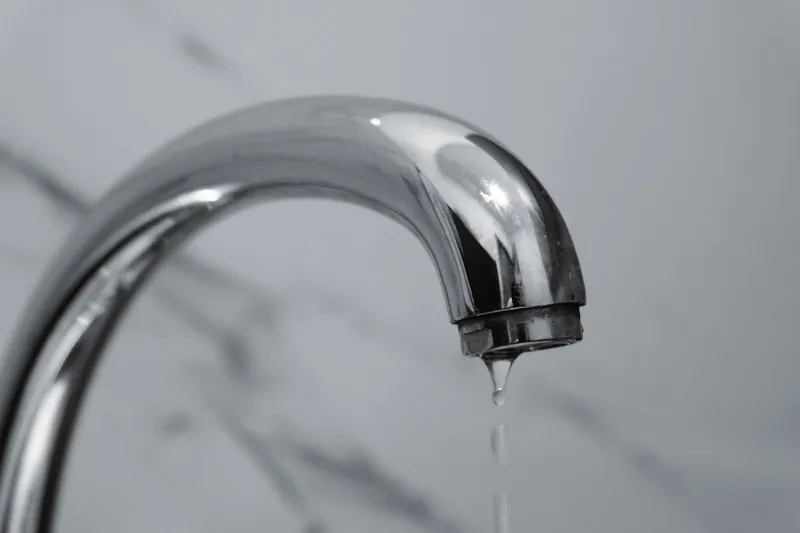
Small signs often come before a big repair. The EPA's WaterSense program says leaks in the average home waste more than 9,300 gallons of water a year. A faucet dripping once per second can waste more than 3,000 gallons.
- Your water bill jumps but your habits have not changed.
- More than one drain is slow, or a toilet gurgles when the washer drains.
- You smell sewer gas, or you see sewage in a floor drain or tub.
- Water stains, bubbling paint or soft drywall on a ceiling or wall.
- Hot water runs out fast, looks rusty or the tank makes popping sounds.
- A warm spot on the floor or the sound of running water when everything is off. Both can point to a slab leak.
Fixing leaks early also limits damage. The EPA advises drying water-damaged areas within 24 to 48 hours to prevent mold growth.
Plumbing emergencies: what to do first
- Burst or leaking pipe: close the main shutoff valve, then open a low faucet to drain the lines.
- Overflowing toilet: turn the oval valve behind the toilet clockwise to stop the water.
- Frozen pipe: keep the faucet open and warm the pipe with a hair dryer or heating pad. The American Red Cross warns never to use a torch or other open flame.
- Leaking water heater: close the cold-water valve on top of the heater. Turn the gas control to off or switch off the breaker.
- Gas smell: leave the building on foot right away. Do not flip switches or start a car. PHMSA, the federal pipeline safety agency, says to call 911 once you are a safe distance away. Then call your gas utility.
What affects the cost of a plumbing repair
We do not publish prices. These factors move the number on your estimate.
- The problem itself: a sink clog takes far less time than a collapsed sewer line.
- Access: pipes behind tile, under a slab or in a tight crawl space take longer to reach.
- Parts and equipment: a tankless water heater costs more than a standard tank, and camera inspections or hydro jetting add equipment time.
- Permits and code updates: many water heater and gas jobs need a permit, and older homes may need parts brought up to current code.
- Timing: nights, weekends and holidays can cost more than a weekday visit.
Plumbing help in all 50 states
PipeMend takes calls from homeowners, renters, landlords, property managers and business owners in every state and Washington, D.C. Big cities and small towns get the same phone line and the same process. Codes, permits and licensing differ by place, and your plumber works under the rules where you live.
Plumbing service questions
How fast can a plumber get to my home?
It depends on where you are, the time of day, the weather and how many calls are open at once. When you call, you get an honest time window, not a promise we cannot keep. If water is spreading while you wait, shut off the main water valve first.
Can I get emergency plumbing at night or on a weekend?
Yes. The PipeMend phone line is open 24/7, including nights, weekends and holidays. After-hours work can cost more than a weekday visit, and you are told the price basis before any work starts.
How much does a plumber cost?
Price depends on the problem, how hard the pipe or fixture is to reach, the parts, any permit, and the time of day. A plumber looks at the job first and gives you a written estimate. We do not post prices online, because two clogs or two water heaters are rarely the same job.
Are PipeMend plumbers licensed?
Work is done by plumbers who hold the license your state and city require for that job. Gas line work often needs its own license or permit. You can check any plumber's license on your state licensing board's website before work begins.
Should I repair or replace my water heater?
A leak from the tank body itself, rusty hot water or a tank near the end of its expected life usually points to replacement. A bad thermostat, element, igniter or valve can often be repaired. The plumber will explain both options and the cost of each.
What should I do first if a pipe bursts?
Close the main water shutoff valve. If water is near outlets or cords, keep clear and switch off power to that area only if you can do it from a dry spot. Open a faucet on the lowest floor to drain the lines, move valuables, and then call.
Will homeowners insurance pay for a plumbing problem?
The Insurance Information Institute says standard homeowners and renters policies cover burst pipes. Sewer and drain backups are often left out unless you added a sewer backup rider. Policies differ, so read yours and call your agent. This is general information, not insurance advice.
Sources
- EPA WaterSense: Fix a Leak Week
- American Red Cross: Preventing and thawing frozen pipes
- PHMSA: Pipeline leak recognition and what to do
- EPA: A brief guide to mold, moisture and your home
- Insurance Information Institute: How to protect your home from water damage
Last reviewed November 19, 2026 by PipeMend Editorial. General information, not legal, insurance or professional advice. Read our editorial policy.
Leak, clog or no hot water?
Call PipeMend 24/7 to get a licensed plumber started on the fix.
Call 1-800-555-0199